Zirconium & E-max
What are the clinical differences between zirconium and E-max (lithium disilicate) veneers? Medical information about metal-free full ceramic dental restorations.
Zirconium and E-max Veneers (Full Ceramic Restorations)
In our practice of aesthetic and restorative dentistry, full ceramic systems that provide the highest level of compatibility with biological tissues and do not contain a metal substructure form the basis of our current treatment protocols. Leading these systems are Zirconium (Zirconium Dioxide) and E-max (Lithium Disilicate glass ceramic) materials, which stand out with their optical properties and mechanical strength.
Both materials perfectly mimic the natural anatomy of the tooth. However, because they offer different physical advantages due to their molecular structures, they are selected specifically by the dentist according to the patient's intraoral dynamics and aesthetic expectations.
In Which Clinical Cases Do We Plan Which Material?
Zirconium Applications: Because it has high flexural and fracture resistance, it is our preferred choice for restoring posterior (molar) teeth exposed to intense chewing forces, bridges that replace long edentulous spans, implant-supported fixed prostheses, and masking the substructure of teeth that have become excessively dark after root canal treatment.
E-max Applications: Its light transmittance (translucency) is the closest to natural tooth enamel. For this reason, we use it with confidence in anterior (incisor) restorations where aesthetics are the primary priority, laminate veneer applications, closing diastemas (gaps), and single-tooth aesthetic crown restorations.
What Are the Clinical Advantages?
Maximum Biocompatibility: Since they do not contain metal, they do not cause corrosion, allergic reactions, or purple/gray reflections at the gum margin. They provide a perfect cellular-level integration with the gums.
Natural Aesthetics and Function: While E-max offers unique optical depth, zirconium combines a natural whiteness with mechanical strength that rivals metal-substructure porcelain. They eliminate the risk of a matte (opaque) and artificial appearance.
Low Plaque Retention and Thermal Insulation: Thanks to their smooth glazed surfaces, they retain less bacterial plaque than natural tooth enamel. At the same time, because their thermal insulation is high, they prevent dentin sensitivity when consuming hot and cold foods.
The long-term success of zirconium or E-max treatments is directly dependent on the correct analysis of the patient's occlusal relationship, the precision of the micro-millimetric tooth reduction (preparation) performed on the tooth tissue, and the daily interproximal hygiene routines applied by our patient.
Legal Notice and Information
This content has been prepared solely to inform patients and the public within the framework of the provisions of Law No. 1219 on the Practice of Medicine and Branches of the Healing Arts and the Regulation on Promotion and Information Activities in Health Services. The information contained herein cannot be used for the diagnosis or treatment of diseases. To medically and scientifically determine which ceramic material is more suitable for your oral and jaw structure, you need to have an in-person clinical examination by consulting a specialist dentist.
Before & after
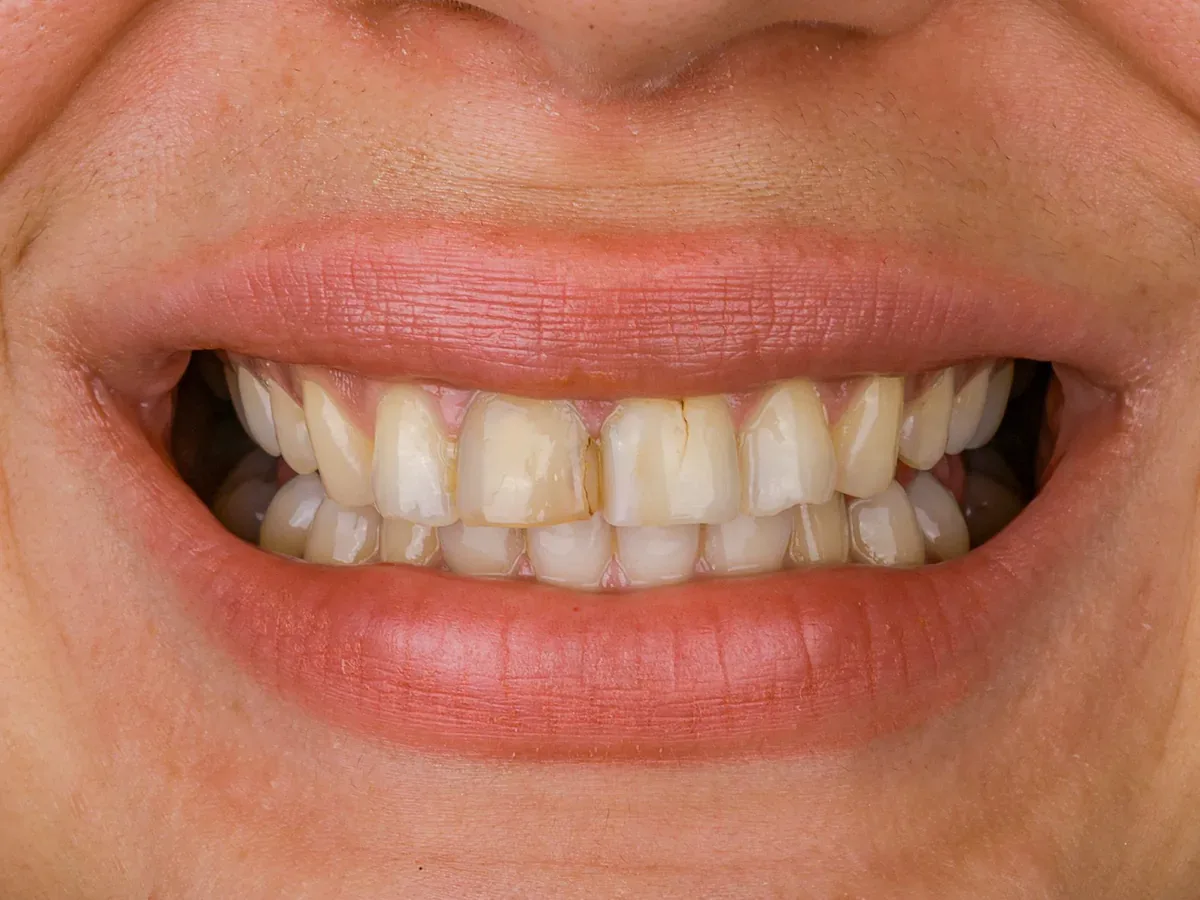
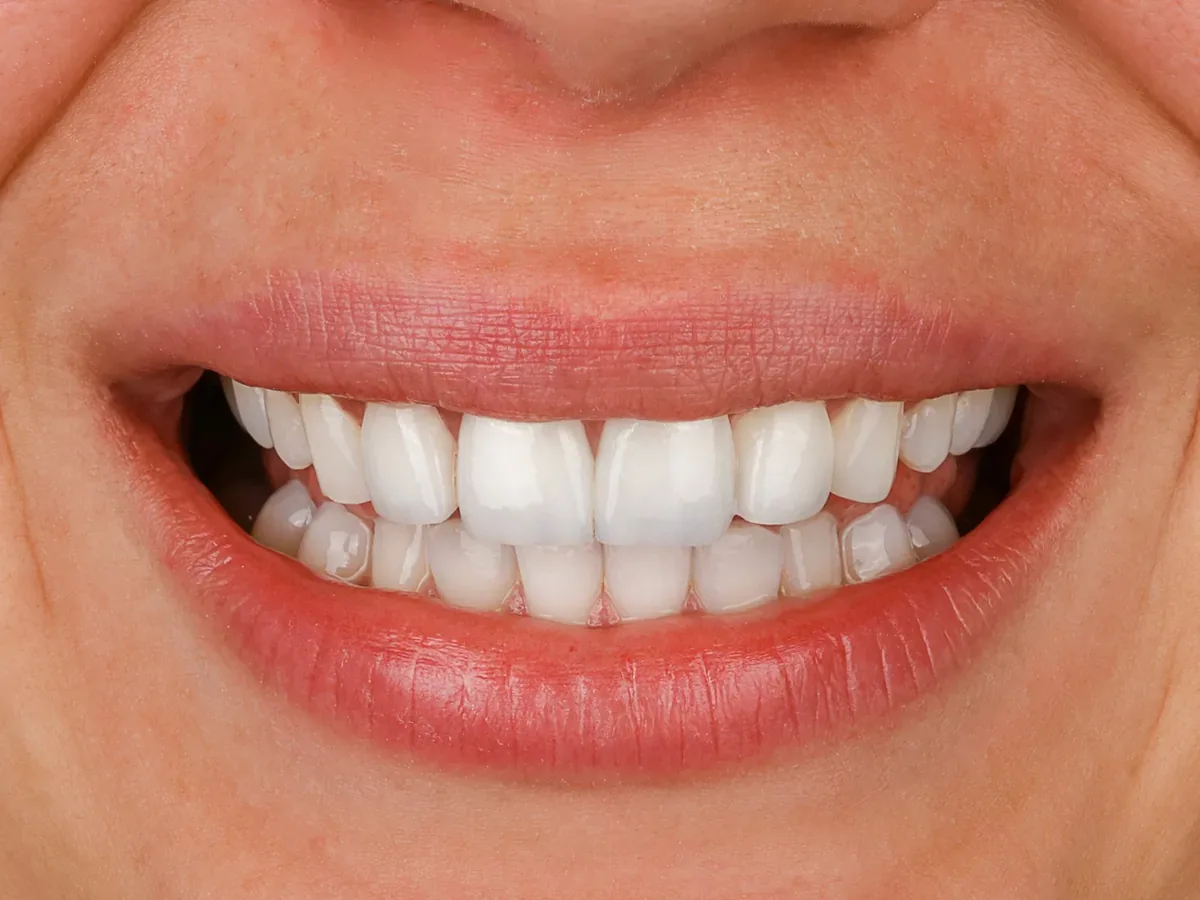 BeforeAfter
Anterior Aesthetics with E-max Crowns
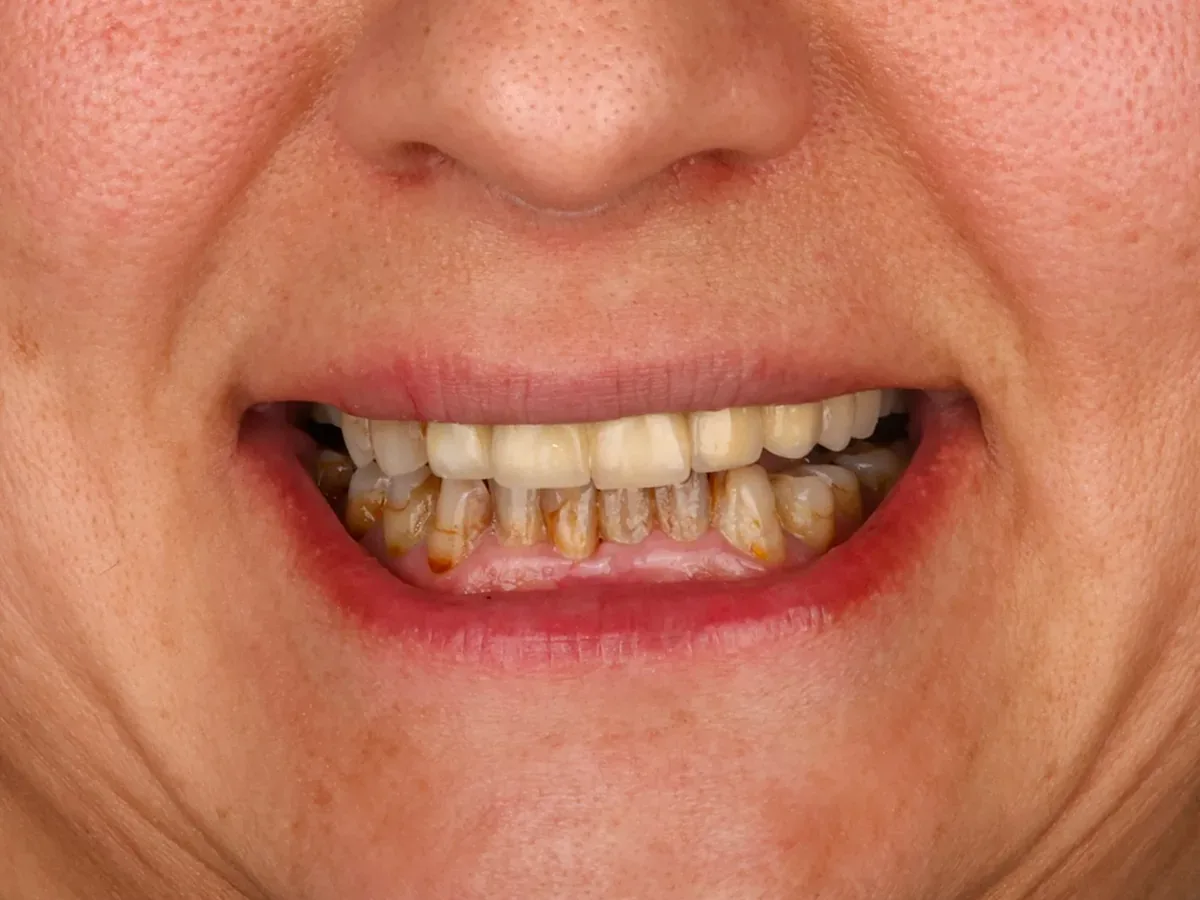
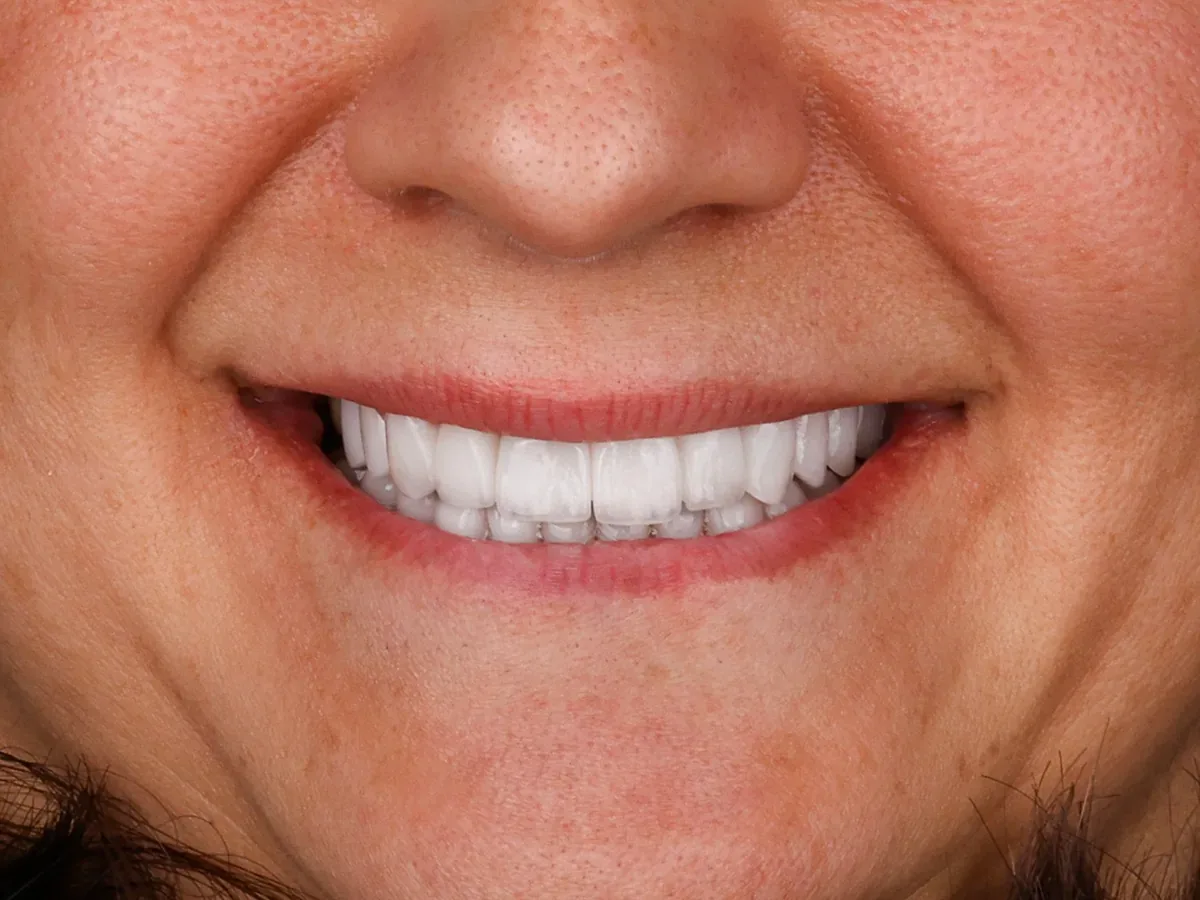 BeforeAfter
Full-Mouth Rehabilitation with Zirconia
Images are shared with patient consent; results vary from person to person.