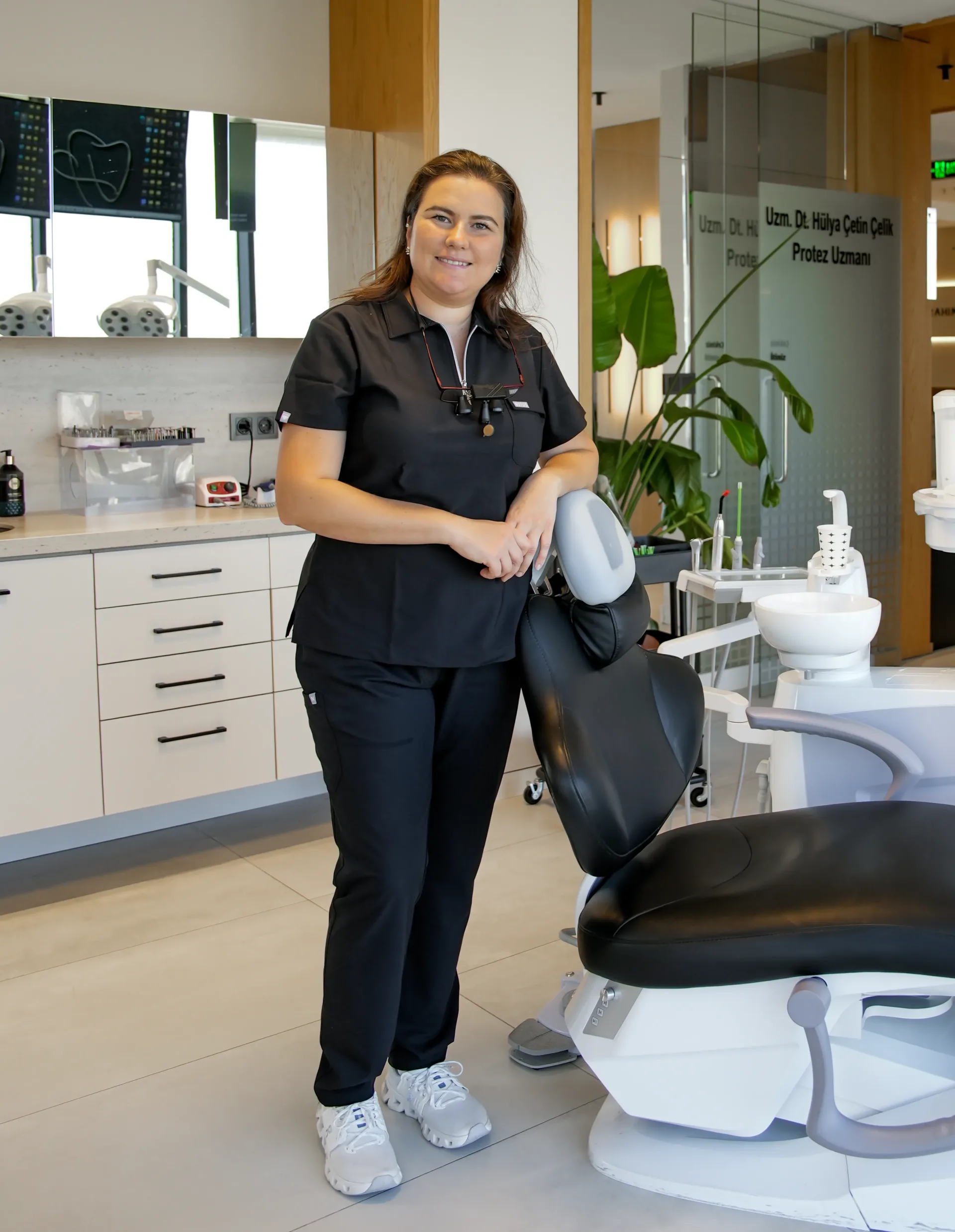
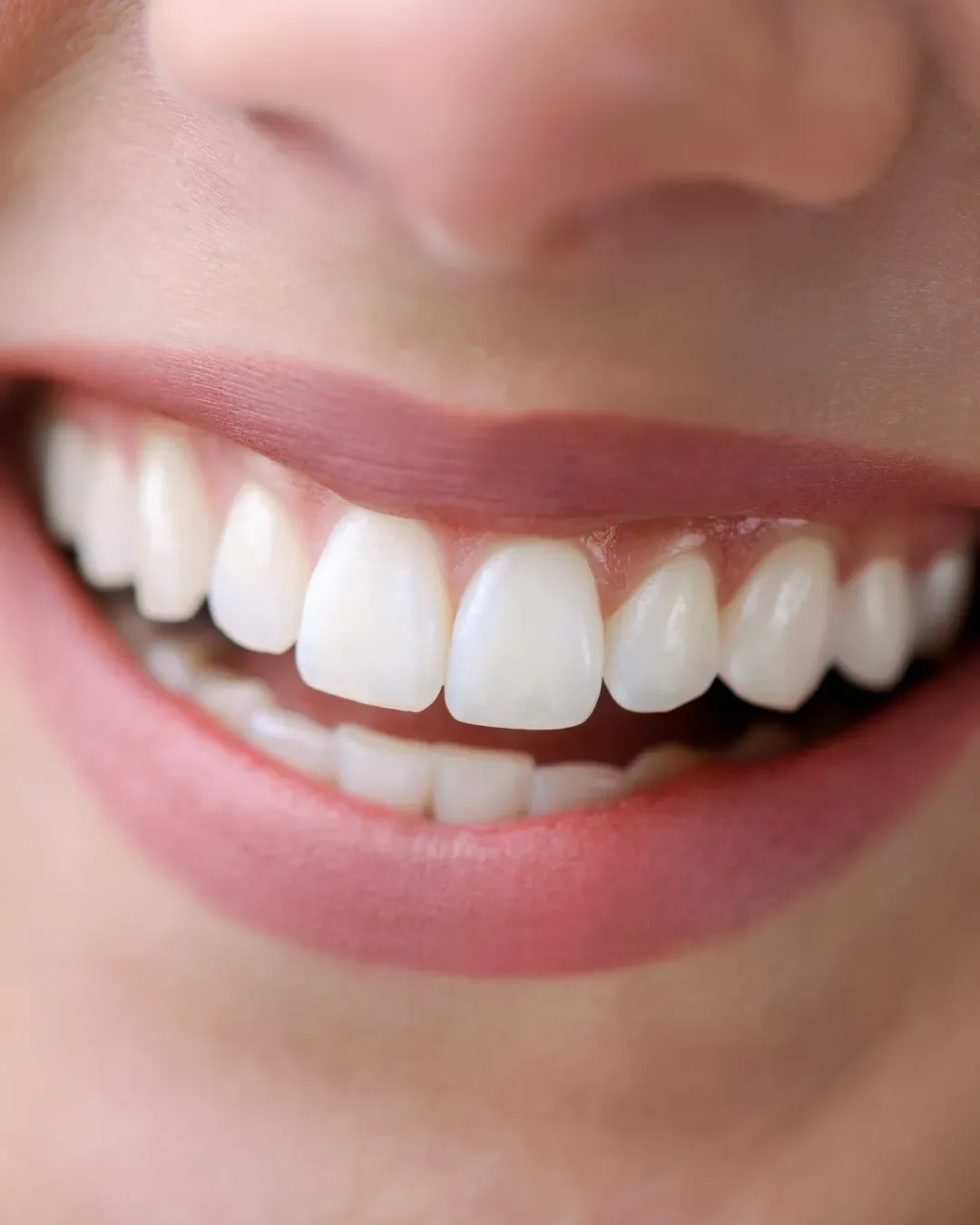
Smile Design
How is smile design planned? Medical information about personalized smile design with digital dentistry, laminate veneers, E-max, and pink aesthetics procedures.
Smile Design (Smile Design)
In our clinical practice, smile design is a personalized treatment protocol in which not only the color or shape of the teeth, but also the patient's facial anatomy, lip dynamics, and gingival levels are evaluated as a whole. It is a multidisciplinary approach that brings together aesthetic dentistry, periodontology (gum treatments), and prosthetic rehabilitation under one roof.
Our aim is not to present the patient with artificial whiteness; rather, it is to build a biocompatible and natural appearance that is most suitable for the person's age, facial features, and character, while respecting biological limits. Thanks to current digital dentistry protocols, we can physically test the targeted final smile inside the mouth with "mock-up" templates prepared before treatment begins.
In Which Clinical Cases Do We Apply It?
When there are asymmetry, disproportionality, or surface wear in tooth forms,
In cases where the gums appear beyond anatomical boundaries in the smile line (Gummy Smile),
In the presence of enamel defects, gaps (diastema), or mild crowding where orthodontics is not preferred,
In the revision of old restorations that have completed their biological lifespan and have caused leakage or discoloration at the gum margin,
In resistant intrinsic discolorations that do not respond to whitening (bleaching) performed in the clinic.
What Are the Clinical Advantages?
Predictable Result: Planning the treatment digitally and being able to test it in the mouth before the procedure helps prevent unexpected outcomes.
Maximum Tissue Preservation: Thanks to materials such as laminate veneers or all-ceramic (E-Max), biocompatibility is achieved by preparing the tooth with minimal reduction from the enamel tissue.
Functional Integrity: Not only the aesthetics of the teeth, but also the occlusal relationship, joint balance, and phonetic structure (correct pronunciation of sounds) are rehabilitated.
The clinical longevity and success of smile design depend directly on making the correct indication, selecting tissue-friendly materials, and the patient's periodic oral hygiene care after the procedure.
Legal Notice and Information
This content has been prepared solely to inform patients and the public within the framework of the rules of Law No. 1219 on the Manner of Practice of Medicine and Its Branches and the Regulation on Promotional and Informational Activities in Health Services. The information contained herein cannot be used for the diagnosis or treatment of diseases and does not include medical guarantees such as "definite success." For the most appropriate personalized treatment plan, you must consult a specialist dentist and undergo a physical clinical examination.
Before & after
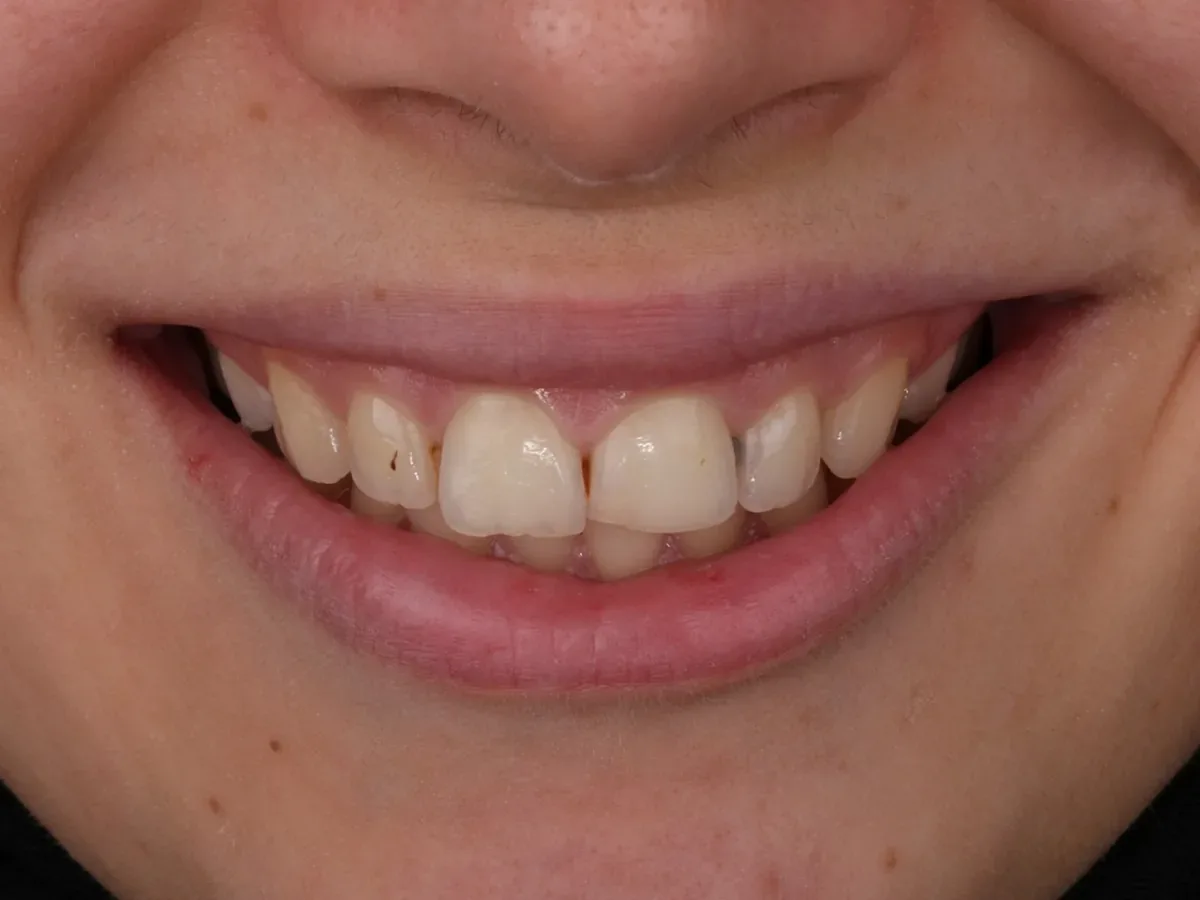
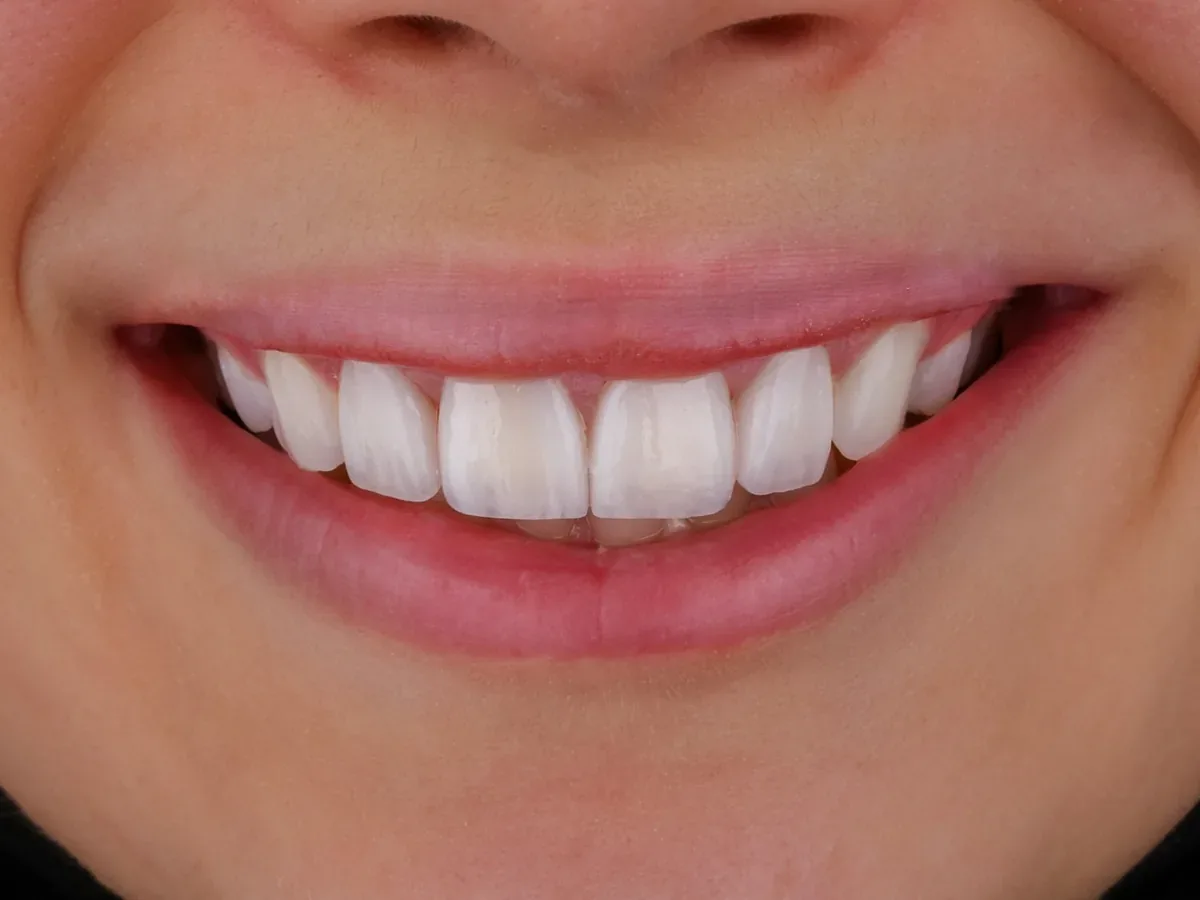 BeforeAfter
Images are shared with patient consent; results vary from person to person.